
Expert guide to successfully introducing new fish to an established aquarium

Mục lục
Expanding your underwater community is one of the most rewarding aspects of fishkeeping, yet it remains one of the most delicate operations for an enthusiast. The process of introducing new fish to an established aquarium involves much more than simply releasing a new pet into the water. It requires a sophisticated understanding of biological cycles, social hierarchies, and water chemistry to ensure the longevity of both the newcomer and the existing residents. In this comprehensive guide, we will explore the professional protocols necessary to maintain a balanced and thriving aquatic environment.
- Always verify species compatibility using a behavior chart before purchase.
- Utilize a dedicated quarantine tank for at least 14 days to prevent disease spread.
- Perform thorough water testing for pH and ammonia levels.
- Employ the floating bag method to equalize water temperature gradually.
- Rearrange tank decorations to disrupt established territories of aggressive fish.
Understanding the fundamentals of fish compatibility aquarium environments
Before adding any new inhabitant, you must analyze the social dynamics of your current tank. Successful coexistence depends largely on selecting species that share similar temperaments and environmental requirements. In terms of compatibility, remember that the larger the aquarium, the easier it will be to mix fish with different behaviors. Many species are very territorial, and even more passive fish can exhibit territorial behavior if you try to maintain too many fish in an inappropriately sized aquarium.
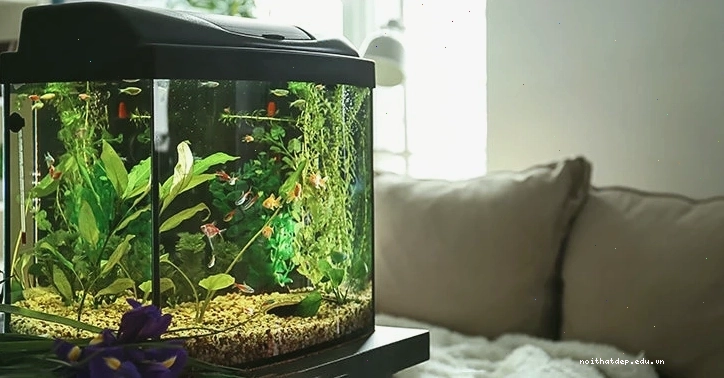
Expert aquarists advise adding smaller, more passive fish first, gradually working up to larger, more territorial fish. This sequence allows the less aggressive species to establish their own hiding spots and comfort zones before dominant predators or territorial species arrive. Much like the specialized attention required for domestic cats, where cat care involves monitoring for ear mites and tick-borne diseases to protect cat health, aquarium fish require proactive observation of their social interactions to prevent physical injury or stress-induced illnesses.
Essential equipment for water quality and safety
Maintaining pristine water conditions is non-negotiable during the introduction phase. New fish are particularly susceptible to osmotic shock if the water parameters of their transport bag differ significantly from the destination tank. Using high-quality diagnostic tools is the only way to be 100% sure about the quality of your water. This level of precision is similar to how a professional canine nutrition guide helps owners sift through dog food reviews to find veterinarian-approved kibble or the best dog food brands.
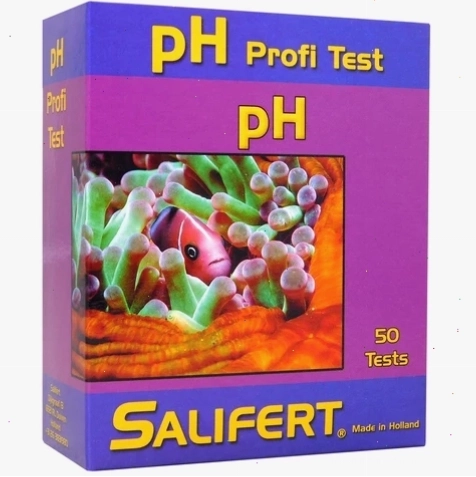
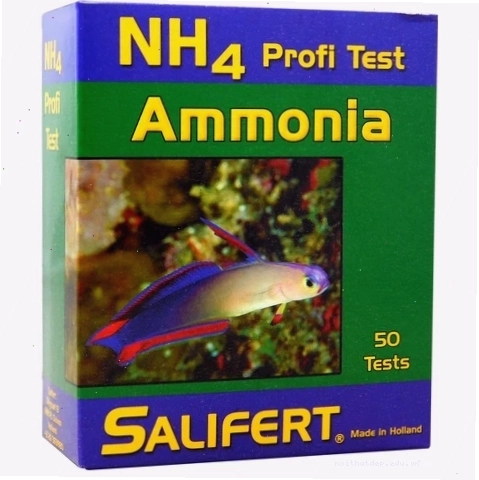
To help you select the right diagnostic equipment, consider the following comparison of industry-standard testing kits:
| Product Name | Primary Function | Water Type Suitability | Precision Level |
|---|---|---|---|
| Salifert pH Profi | Measures precise pH levels | Marine and Saltwater | High Professional Grade |
| NT Labs Test Kits | Ammonia, Hardness, Nitrite | Freshwater Aquariums | Comprehensive Consumer Grade |
| Salifert Ammonia Profi | Detects toxic Ammonia traces | Marine and Reef Tanks | Excellent Sensitivity |
The critical role of the quarantine tank in disease prevention
A quarantine new fish protocol is a vital piece of equipment that should be used by all aquarists. Correctly introducing new fish to your aquarium is important not only for the health of the new fish, but for your existing fish as well. When incompatible or sick fish are added to an aquarium, the weakest fish will be stressed, which could result in disease that affects all of the inhabitants. For this reason, we highly recommend that all marine aquariums be equipped with a properly sized UV Sterilizer to further help reduce the possibility of disease.

During the quarantine period, the fish can adjust to your specific water source and food types without the pressure of competing for resources. This period also allows you to complete the process of cycling a new fish tank if you are setting up a secondary environment. Just as finding the best dog food is a cornerstone of canine health, providing the correct nutrition in a stress-free quarantine environment ensures your fish is robust enough for the final move.
Standard procedures for the floating acclimation method
The floating method is the most widely used technique to acclimatise fish because it efficiently equalizes temperature. Follow these steps for a safe transition:
- Initial Placement: Gently place your fish into a clean, clear bag and float it on the water surface for 20 minutes.
- Monitoring: Watch for rapid gill movement or color changes, which indicate stress.
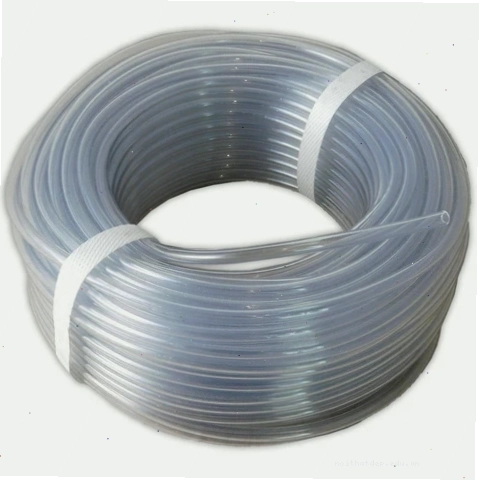
- Water Mixing: Use a tool like the Kockney Koi 4mm Clear Airline to slowly drip tank water into the bag over another 30 minutes.
- Release: Once the chemistry is equalized, net the fish out of the bag and release it into the tank. Never pour bag water into your main aquarium.
Strategies for managing aggression during the transition
Even with perfect water parameters, social aggression can ruin an introduction. To minimize the chance of one particular individual being singled out and harassed, try to add more than one fish at a time to an established aquarium. This spreads the attention of resident bullies. Additionally, always feed your aquarium before any new fish are introduced to ensure existing inhabitants are less likely to view the newcomer as a competitor for immediate resources.
Rearranging decorations in the aquarium before the introduction is another expert tactic. By moving rocks and plants, you remove established territories, forcing all tankmates to develop new territories on equal ground. This simple change significantly reduces the aggression levels of resident territorial species.
Long term success through proper maintenance and observation
The first 48 hours after introduction are the most critical. Continue to monitor water quality daily for the first week, as the increased biological load can trigger spikes in ammonia or nitrite. Maintain good water conditions through proper maintenance to ensure a healthy environment during this stressful period. Provide plenty of hiding places, such as rocks and sheltering areas, to reduce aggression and stress.
By following these expert-backed tips and adhering to the principles of proper selection and acclimation, your new and existing tankmates will have the best possible opportunity for a smooth transition. Remember that every fish is an individual with a distinct personality; staying observant and patient is the key to a harmonious aquatic community.
Thẻ bài viết
Bài viết liên quan

Ảnh Avatar Anime Cặp Đôi Tình Nhân: Lựa Chọn Nào Cho Tình Yêu Lứa Đôi 2026?

100 mẫu ảnh avatar anime girl tóc ngắn năng động cực đẹp

Hành trình khám phá các loài hoa và ý nghĩa biểu tượng của chúng

Top khách sạn Tam Đảo view núi sang trọng và đẳng cấp nhất 2026

Du học Nhật Bản ngành nông lâm nghiệp và triển vọng 2026
Chọn ngày tốt làm hàng rào tháng 2 âm lịch năm 2026 chuẩn nhất
Bình luận
Bình luận từ độc giả
The tip about rearranging the decorations was a game changer for my Cichlid tank. The aggression levels dropped almost immediately!
I never realized that pouring the bag water into the tank was such a big risk. Great advice on using a net for the final release.
Excellent guide. The comparison table for the test kits helped me decide which Salifert kit I needed for my reef setup.
Quarantine is so often overlooked. I lost an entire tank once because I didn't use a separate tank for a new arrival. Never again!
Does the drip acclimation method work better than the floating method for sensitive shrimp? I usually use the airline tube mentioned here.
Very detailed article. I love the comparison to dog and cat health care, it really puts the responsibility into perspective for pet owners.
The Kockney Koi airline is exactly what I use for my drip acclimation. It's cheap and works perfectly for equalizing pH.
Feeding the fish before the introduction is a simple but brilliant trick. My older fish were much more relaxed when I added the new tetras.
Great info on the UV sterilizer. I'm planning to add one to my marine tank this weekend to help with disease prevention.
This is the most complete guide I've found on fish acclimation for 2026. Very professional and easy to follow.